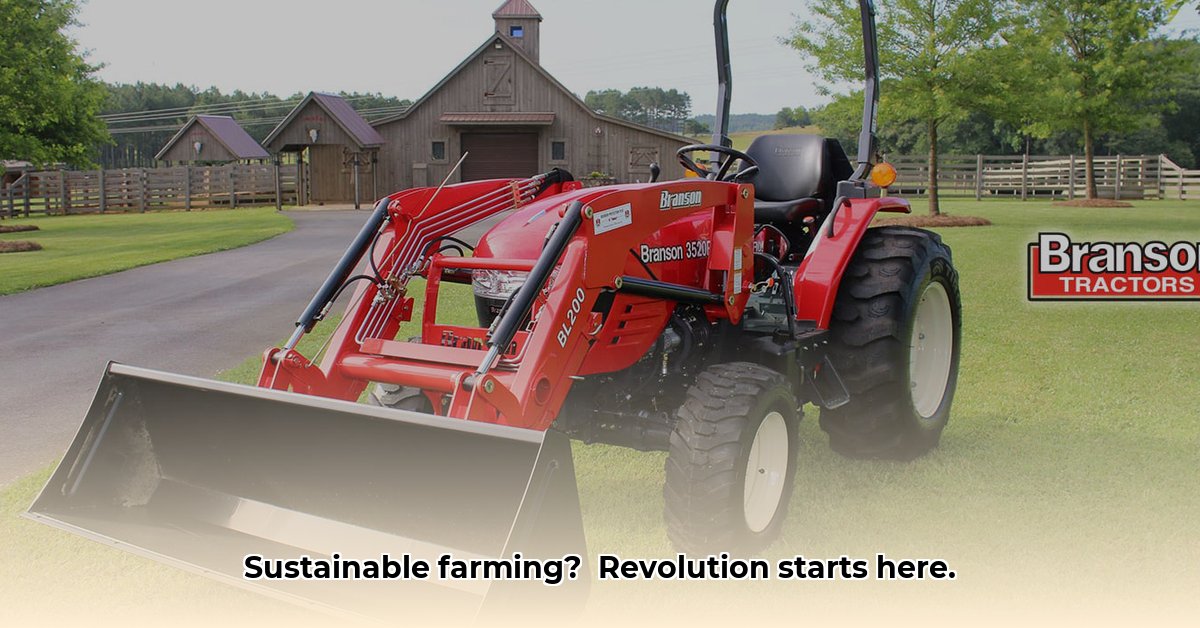
Coweta Tractor Yard, a prominent supplier of agricultural equipment in Coweta, Oklahoma, occupies a critical position within the local farming community. Its broad inventory, ranging from powerful tractors to specialized manure spreaders, ostensibly supports efficient farming operations. However, a deeper examination is needed to determine the extent of its contribution to sustainable agriculture. This case study analyzes Coweta Tractor Yard's role, identifying both its potential benefits and limitations in fostering environmentally responsible practices. For alternative energy solutions, consider exploring sustainable energy options.
Examining Coweta Tractor Yard's Impact on Sustainable Agriculture
The breadth of Coweta Tractor Yard's offerings presents a double-edged sword. While the readily available range of equipment allows farmers to optimize their operations and potentially adopt sustainable techniques like responsible manure management, the environmental impact of this machinery demands scrutiny. The question arises: does the yard predominantly stock fuel-efficient, environmentally conscious equipment, or does its inventory lean towards older, less sustainable models? This lack of transparency hinders a complete assessment.
"The success of sustainable agriculture hinges on access to efficient and environmentally friendly equipment," explains Dr. Amelia Hernandez, Professor of Agricultural Engineering at Oklahoma State University. "Without readily available data on the equipment's fuel efficiency and environmental footprint, it's difficult to judge the yard's true contribution." This highlights a crucial gap in evaluating Coweta Tractor Yard's sustainability profile.
The Double-Edged Sword of Equipment Variety
Offering diverse equipment empowers farmers to select machinery perfectly aligned with their unique farming practices. This is particularly important for the rise of precision agriculture, requiring specific tools for optimal resource management. However, this variety also introduces a potential range of associated environmental impacts. The variance between a modern, low-emission tractor and an older, fuel-intensive model is significant. The overall environmental performance of the yard thus depends considerably on consumer choices. This necessitates a closer look at sales data to determine the predominant types of equipment sold.
Transparency – The Critical Need for Data
Currently, a conclusive assessment of Coweta Tractor Yard's sustainability commitment is challenging due to a lack of public information. The absence of transparent data regarding fuel efficiency of the equipment sold, alongside any company initiatives towards sustainable agriculture, hampers an objective evaluation. Concrete data on equipment types, fuel consumption, and any implemented sustainability initiatives is crucial for a robust analysis. This lack of transparency is a critical obstacle in understanding its overall impact.
Recommendations for a Greener Future: A Roadmap for Improvement
To enhance transparency and promote sustainable practices, a multi-faceted approach is needed:
1. Enhanced Data Collection and Analysis: Coweta Tractor Yard should conduct a thorough inventory analysis, quantifying the fuel efficiency and environmental impact of each piece of equipment available.
2. Targeted Marketing and Education: The yard should develop and implement targeted marketing strategies to highlight and promote fuel-efficient and sustainable equipment options to its customers.
3. Employee Training and Partnerships: Investing in employee training focused on sustainable agriculture practices and fostering partnerships with local sustainability organizations will greatly benefit the yard's sustainability goals.
The Path Forward: Data-Driven Sustainability
Moving forward, comprehensive data is essential for a more accurate assessment. This includes a comparative analysis of Coweta Tractor Yard's equipment offerings with those of competitors, factoring in manufacturer specifications and independent reviews. This analysis will provide a clearer picture of its environmental performance. The adoption of sustainable practices within the agricultural sector depends on the availability of appropriate tools and educated decision-making.
Key Takeaways:
- Coweta Tractor Yard's wide range of equipment offers potential benefits for sustainable agriculture, but lacks transparency regarding its overall environmental impact.
- Detailed data on equipment fuel efficiency and the yard's sustainability initiatives are crucial for a comprehensive assessment.
- A multi-pronged approach – including data collection, targeted marketing, and employee training – is necessary to improve Coweta Tractor Yard's contribution to sustainable agriculture.